A Simple Path from Forensic Discovery to Restoration
The frustration of a plumbing leak often comes from the uncertainty of where the water is coming from. Our workflow is designed to remove that stress by providing a structured, logical approach to every repair. We analyze the specific symptoms of your home (such as water meter movement or temperature changes in the floor) to map out a targeted solution.
Our process unites forensic-grade detection with the specialized mechanical expertise to resolve the issue on the spot. This one-stop approach is the most convenient way to halt water damage, as it eliminates the headache of managing different vendors for the same problem. However, you stay in the driver's seat. We deliver a complete technical brief of our findings, giving you the total freedom to take our diagnostic data to any third-party professional you prefer. You get the expertise; you keep the control.
Our team is trained to handle the most complex hydraulic issues in Central Texas. We manage a wide range of property-wide concerns, including:
- Sewer Line Leak Repair to protect your sanitary system.
- Slab Leak Detection for foundation-level security.
- Pool Leak Detection & Repair for total backyard containment.
- Infrared Leak Detection to visualize moisture trapped behind finished surfaces.
Why Leander Homeowners Trust Our Local Expertise
Leander properties face specific environmental challenges that directly impact plumbing longevity. Most homes here are built on concrete slab foundations, which are susceptible to the movement of Central Texas’s expansive clay soils, often called "Blackland Prairie" soil. During extreme temperature swings or drought cycles, this soil shifts significantly, putting intense mechanical stress on buried lines and joints.
We understand these local patterns and tailor our repair methods to the specific architecture of local homes. Whether you live in a newer subdivision with modern PEX piping or an established neighborhood with aging copper lines, we know where failures typically occur. By using non-invasive technology to pinpoint the breach, we keep the footprint of the repair surgical and minimal, preserving your flooring and your daily routine.
Restoring Your Home’s Most Critical Pipe Systems
Every leak behaves differently depending on its location. Our repair protocols are customized to address the specific failure points found in local properties:
- Slab Line Failures: We address leaks under concrete foundations that manifest as warm spots or damp flooring. We offer targeted access or rerouting options to bypass failed sections without unnecessary demolition.
- Wall and Ceiling Breaches: We locate leaks behind finished surfaces to prevent long-term mold issues. Our goal is to keep access openings small and purposeful.
- Main Water Line Issues: We repair yard leaks that cause soggy lawns and high utility bills, ensuring your service line from the meter to the home is fully pressurized.
- Fixture and Appliance Connections: We solve drips under sinks, behind toilets, and around water heaters that quietly ruin cabinetry and subflooring.
Regain control of your utility bills and property safety. Call (512) 942-2824to request a service callwith our expert repair team.
Frequently Asked Questions
How do I know if my leak is under the concrete slab?
In Leander, slab leaks often present as "hot spots" on the floor or a sudden, unexplained dampness in your carpet. You might also hear the sound of running water even when every faucet in the house is tightly closed. If your water meter is spinning and you see no visible drips, the failure is likely beneath the foundation.
Will you have to tear up my entire floor to fix a single pipe?
No. We focus on surgical repairs. We use electronic sensors to find the exact coordinates of the leak first. Once we have the data, we can either perform a targeted "spot repair" by opening a small section of the floor or, more conveniently, "reroute" the plumbing through the walls or attic to bypass the broken section entirely.
Is it safe to wait a few days if the leak is just a slow drip?
Waiting usually increases the final cost. In our local clay soil, even a small leak can lead to soil erosion under your foundation, causing the slab to settle or crack. Furthermore, mold can begin to colonize damp drywall within 24 to 48 hours. Addressing the issue early limits the need for expensive structural restoration.
What information do I need to give my insurance company?
Most insurance carriers require a professional "origin and cause" report to process a water damage claim. We provide a detailed invoice and a technical breakdown of where the leak started and what was required to fix it. This evidence is vital for your adjuster to determine coverage for the resulting damage to your floors or walls.



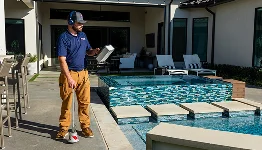 For 50+ years, we’ve developed tools to make leak detection faster and less disruptive.
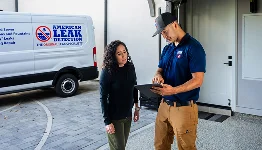 Learn all your options with pros, cons, and costs before making any decisions.
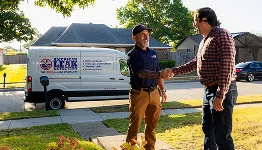 Pre-approved with top insurers means faster claims and smoother coverage.
 Trained specialists who detect leaks in every system, from pools to commercial pipes.


